Vegetation is an assemblage of plant species. Vegetation is often discussed on a community or ecosystem scale.
Vegetation can be classified in many ways. For example,
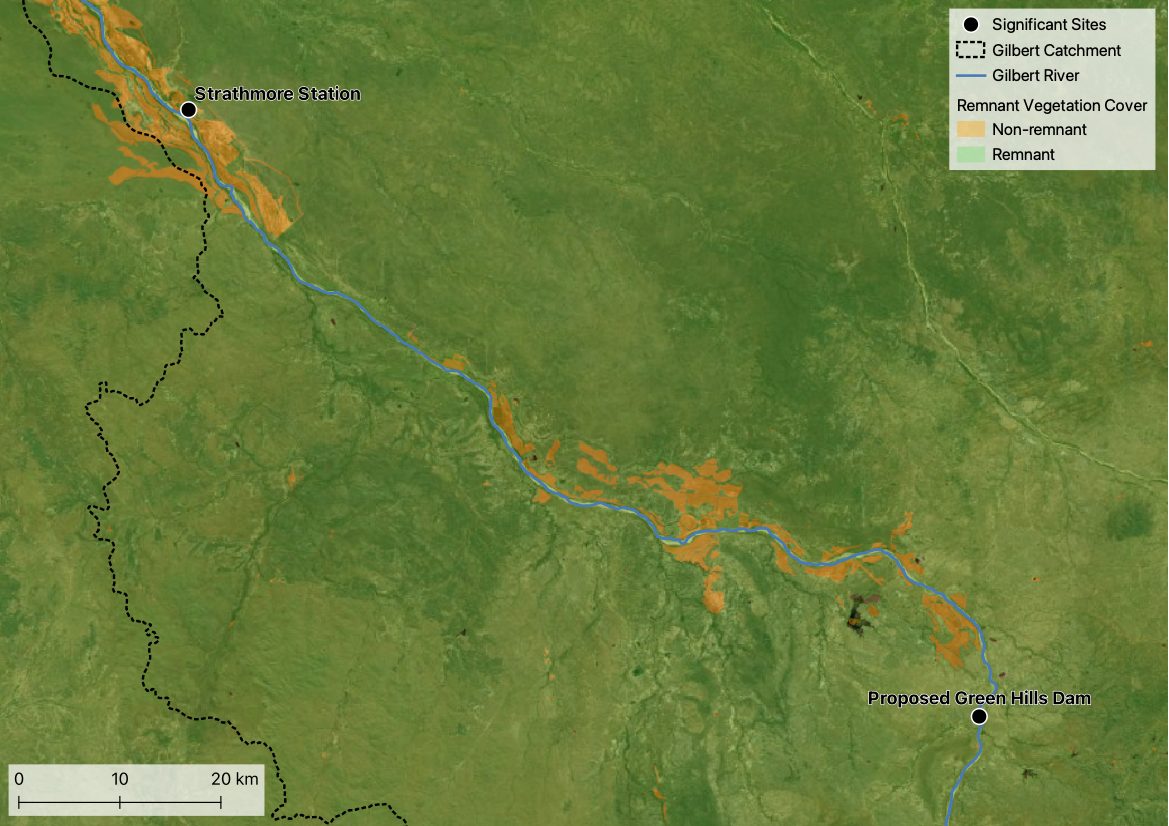
- remnant vegetation is largely undisturbed or composed of species that characterise the undisturbed state. It can be further classified as endangered, of concern or not of concern
- non-remnant vegetation has been disturbed, including having previously being cleared in the case of regrowth vegetation.
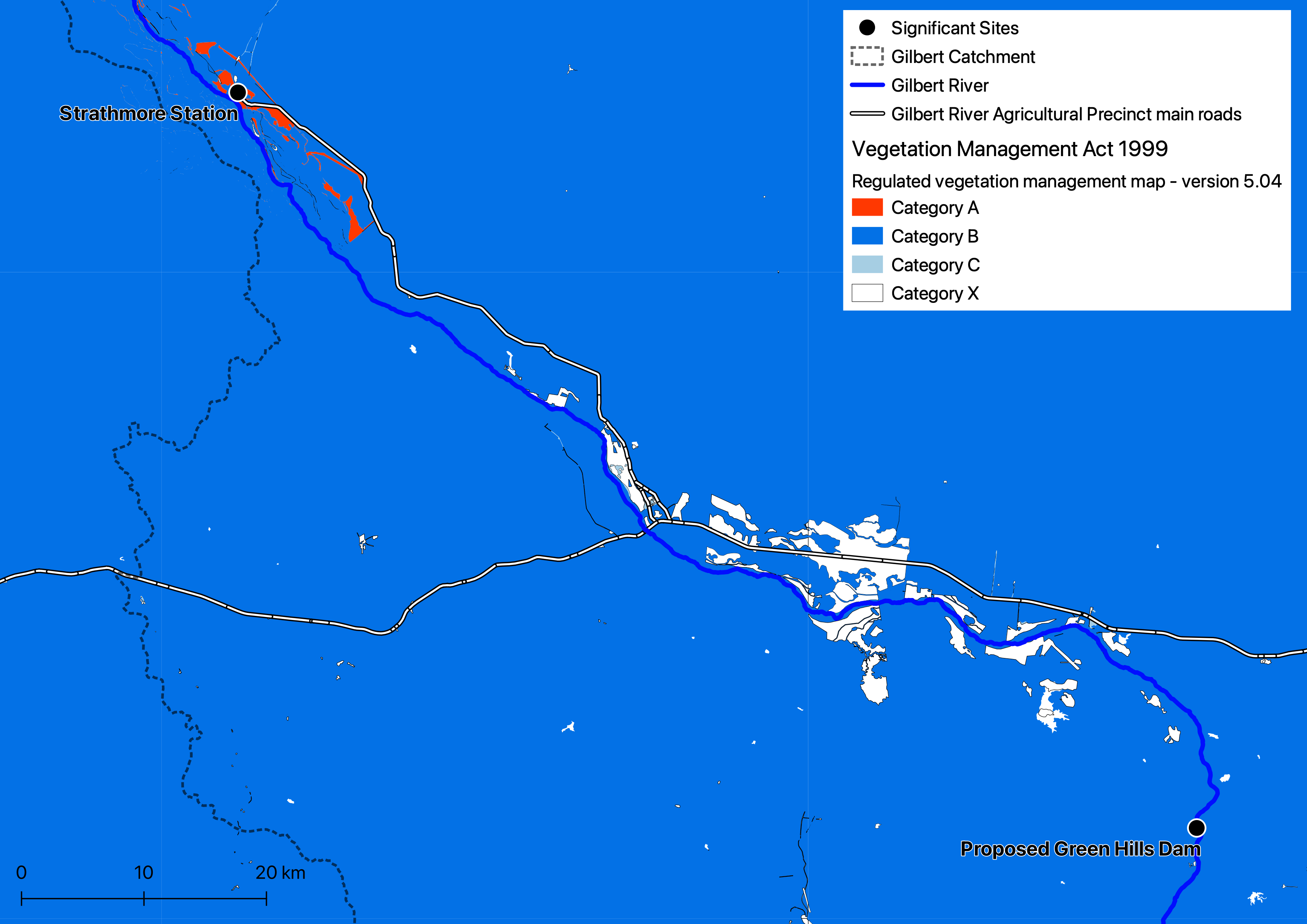
Vegetation management and regulation is governed based on the Vegetation Management Act 1999. Further details on the regulated vegetation management classifications (A, B, C and X) are provided on the Vegetation Management Act page of this website. Category X areas - mostly non-remnant vegetation - are not regulated by vegetation laws and can be more easily cleared than other categories. There is limited Category X vegetation in the GRAP.
Weeds
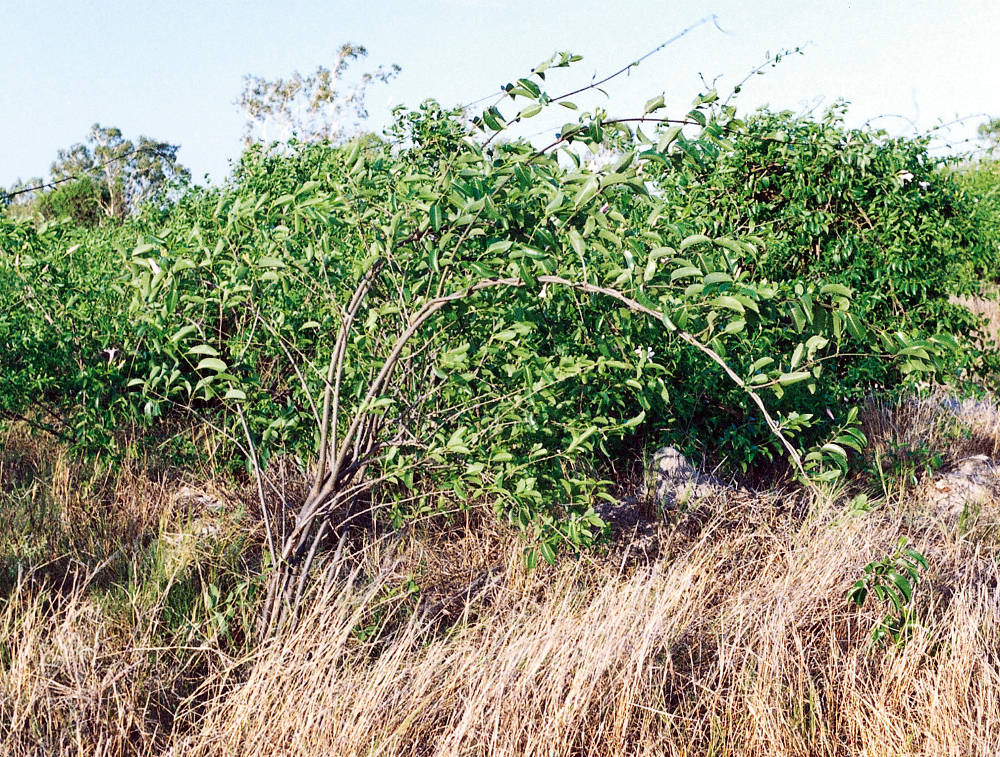
In the Gulf region, including the Gilbert River catchment, rubber vine (Cryptostegia grandiflora) is an aggressive weed. Rubber vine is often concentrated adjacent to waterways but will invade open pastures if given the opportunity. Rubber vine smothers other vegetation, impedes stock movement and is poisonous to livestock. Rubber vine can be sprayed, burnt, mechanically controlled or biologically controlled. Effective spray treatments are available but may not economic for treating large areas. Gulf Savannah NRM has worked, and continues to work, on controlling weeds and invasive species.
A survey of environmental management issues and activities in the Gilbert River catchment conducted as part of the National Environmental Research Program (NESP) Northern Australia Hub, found that grader grass was a major issue for cattle producers across the catchment. Neem (Azadirachta indica) is also an issue across the catchment and the GRAP. A (now abandonded) commercial Neem plantation of about 30,000 trees, has resulted in severe infestation along the Gilbert (especially midway between Georgetown and Croydon). The infestation occurred quickly with one report suggesting that Neem had dominated the neighbouring riparian alluvial country within 10 years of escaping the abandoned plantation. Making things worse, some landholders spoken with during the QWMN Gilbert Digital Twin project, reported they and other landholders were being gifted Neem seedlings when the plantation was operational. Not knowing about the invasiveness of the species, they were planted as attractive shade trees in the home gardens across the catchment.
Weed management was a critical element of the biodiversity theme in the Northern Gulf NRM plan (2016-2021) and will continue to be in the next iteration of the Gulf Savannah NRM plan.
Resources
On this website: